
Etsy vs Squarespace: Which is better for selling your work?
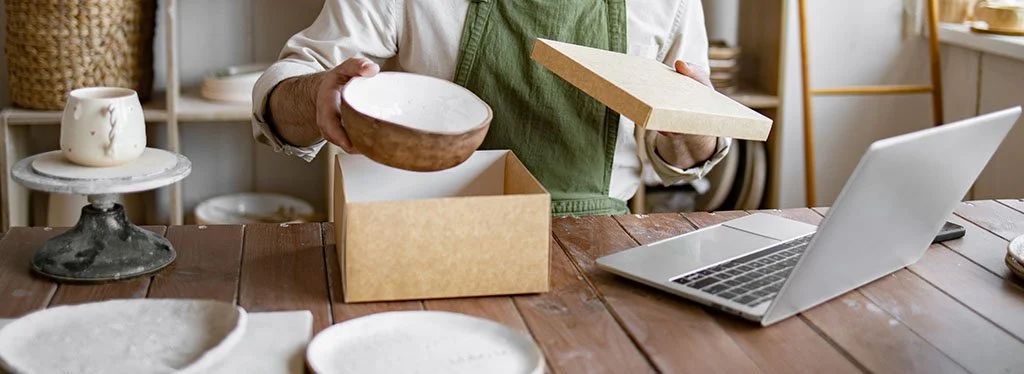
I have never sold anything on Etsy. I have never experienced the visceral excitement of hearing the distinct “cha-ching” notification telling me I made a sale. But I hear it’s awesome. An instant validation of your craft, someone spent money on what you made! That’s awesome! But what I also hear about as you start selling more and growing your revenue are the fees cutting into your profit margin and becoming a massive financial drain. I hear about the brand you are trying to build is getting lost. About unexplainable drops in visibility due to Etsy’s ever-changing search algorithms and not being able to build true brand loyalty and a dedicated customer base because Etsy owns the buyer data, making it difficult to start an email newsletter or a targeted campaign.
If you’re just starting out, all this is likely fine. The fee numbers don’t feel too bad because all the numbers are low. You’re new so no one knows your brand anyway. But over time, many artisans may start to feel like they are outgrowing the capabilities of the platform. At some point, you may start asking yourself if it’s time to transition from a marketplace like Etsy to the dedicated professionalism of your own site. And what is the best platform for selling your work? While Etsy is a great training ground, Squarespace offers the infrastructure needed to build a lasting business.
A marketplace like Etsy has great appeal. The low barrier to entry makes it easy to get started, and the built-in audience gets your work in front of potential buyers quickly. But all this comes at a cost, and these trade-offs can lead to frustration. Etsy charges transaction fees on each sale, payment processing fees, and mandatory offsite ad fees, making it challenging to accurately price your work for sustainable growth. There is intense competition to get into the “Recommended for you” section, and your competitors work may even be displayed on your own pages. This dilutes your brand and makes it hard to stand out. Your customers may remember they bought your work on Etsy, but they may forget who the specific artist was. This drastically hinders the development of a strong brand identity.
“Your customers may remember they bought your work on Etsy, but they may also forget who the specific artist was.”
When you move to your own site, everything on the page is yours. The typography, the colors, the layout, and the way someone moves through your work. All of it reflects you and your art, not Etsy's template. That's a meaningful shift, especially when you're selling something handmade and personal. Your website stops being a storefront in someone else's building and starts being your own gallery.
Yes, you have to drive your own traffic. That's the real trade-off. But it's also where the real opportunity lives. When you own your customer relationships, you can build an email list, send newsletters, and actually get to know your audience. You're not at the mercy of an algorithm that can drop your visibility overnight. And with a solid SEO strategy, you can show up in Google searches from people all over the world who are looking for exactly what you make.
Etsy vs Squarespace: A Quick Comparison
How do you know when it's time? It depends on where you are in your business and where you want to go. If you're still testing ideas, refining your style, or just starting out, Etsy is a smart low-risk place to be. If you're charging professional prices and you're ready to build something that's fully yours, a dedicated website starts to make a lot of sense.
Think of it this way. Selling on Etsy is like having a booth at a busy fair. Great exposure, easy to set up, a good place to start. Your own website is like opening your own gallery. Every detail of the experience is yours, and every interaction builds your brand rather than someone else's.
Maybe you already took the leap and created your own website, but your work isn’t selling like it could be. In this case you have lost the convenience of selling on a marketplace without gaining the benefits of selling on Squarespace. No good! But, this does not necessarily mean that you weren’t ready. It could mean that while fine in the early stages, the DIY nature of your site is undermining the value of your high-quality products. Professional design services can help by offering tailored support to your needs.
If your current online presence isn’t supporting your work, or is just becoming frustrating, it’s time to consider a smarter approach. If you’re thinking about creating your own website but aren’t sure what your next (or first) step should be, I can help. Book a free Discovery Call and we can talk about your current setup, where you want to be in the future, and what the best steps to get there might be.